Showing posts with label Literature. Show all posts

Thursday, 12 September 2013

Review: The Unlikely Pilgrimage of Harold Fry

Having recently graduated from university with an English Literature degree, the last three years of my life have been dedicated to wading through Wordsworth, deciphering DeLillo and labouring over Lawrence. Only now have the second hand collections of Dickens been neatly filed onto heaving bookshelves in my wardrobe, the Bronte sisters resigned to the university library, have I made an avid return to the chart fiction which first sparked my love of literature.

My first port of call was a book which dominated last year's commendable parade of popular fiction. Rachel Joyce's quirky debut novel The Unlikely Pilgrimage of Harold Fry bagged its author the UK National Book Award for New Writer of the Year whilst also scooping a top 12 place at the Man Booker Awards.

Whilst wildly speculating about the deep and meaningful purpose of disembodied clothing in Woolf succinctly crammed into 3000 words prevented me from venturing into Joyce's novel at the time, post-graduation boredom quickly directed me towards this charming novel.

Opening with the staid retired life of an aging Devonshire couple, The Unlikely Pilgrimage kicks off with a letter. News that an old friend is dying in the distant North, causes Harold Fry's initial stroll to the post office to evolve into an epic trek across the length of Britain, a staggering feat of faith and optimism in the belief that his efforts will save cancer-stricken Queenie.

"Unlikely" is certainly the right word here-- verging on implausible the novel offsets the dubious image of an aging hero armed only with his faithful yachting shoes with the pure charm of his journey as Harold potters between familiar and quintessentially English landscapes. Perhaps more important than the journey is the rich cast of characters Harold meets, their often tragic and heartfelt stories creating a poignant tension between what could otherwise be a sickly-sweet tale of tooth-ache worthy proportions; the most valuable element of Joyce's writing talent clearly lies in this wryly observed cast.

Although the archaic nature of Harold's modern "pilgrimage" -- delightfully complimented by the old-fangled style map at the start of the book-- could easily lay the way for a rambling fairy tale, Joyce beautifully weights the journey with Harold's old memories, unravelling a far deeper side to the snippet of middle-aged life we spotted at the Fry's breakfast table. Marriage, parenting and rejection all play a key part to the steady development of character tantalisingly and richly revealed throughout Harold's travels. Just avoiding what could have been a tired metaphor, Harold's spiritual journey is perfectly and insightfully unpacked alongside his physical travels.

The true wonder of Joyce's impactful novel is the fine line she walks between the quaintness and sheer optimism of the novel, and her absolute honestly when facing up to the realities which lie behind Harold's walk. Evasion becomes a poignant theme as we realise that even the most heroic of actions can be a method of avoiding the baser and truer facts of life.

However, it's not all doom and gloom; Joyce also does a relatively good job of lightly mocking the twenty-first century cult of celebrity culture, focusing the latter part of the novel on Harold's colourful followers. Unfortunately, these chapters do feel somewhat rushed, as Harold spends over half the novel laboriously struggling across Devon, yet leaps through most of the Midlands in a single sentence. Resultantly, these characters emerge significantly more two-dimensional than they could have been. Whilst this manages to pass off suitably well as reflecting Harold's own increasing distance from anything but his own journey, a little more development could have deepened a rather staid section of the novel which is almost skimmable.

Nevertheless, the overriding tension of what lies at the end of Harold's journey manages to keep the story flowing despite a fairly significant pre-finale dip. Thankfully, Joyce does not disappoint, delivering an excellent conclusion weighted with all the poignancy and heart needed from a novel of such unfathomable optimism and whimsical charm.

Escapism with an edge, The Unlikely Pilgrimage of Harold Fry is sweet and touching light reading. More gritty than your average summer read and with just enough lightness of heart to bring a smile to the darkest moments Harold Fry is a highly recommended read.

Thursday, 4 April 2013

Things I Learned from being a Book Geek


Having spent countless hours engulfed in well-leafed paperbacks, from the very first garishly shaded Ladybird Classics, to the American teenage dramatics of Sweet Valley High and the more mature reads of adult life, it’s fair to say that my perception has always been somewhat skewed by the ever-climatic experiences of a book geek.

For a teenager more familiar with the man-chasing antics of Austen’s Mrs Bennett than actual boys, or a ten year old with aspirations for a jolly-hockeysticks Mallory Towers-esque education rather than the local comprehensive, life for me was always going to be one wistfully guided by the books  that surrounded it. Life lessons aplenty poured forth from the novels that navigated my growing pains, first love and transitions into adulthood. Unfortunately for me, most of them turned out to be wildly inaccurate, and even bordering on the bizarre.

And so, in an elaborate attempt to procrastinate in the midst of dissertation writing, I’ve compiled a list of the things my (almost) 21 years as a self-confessed book geek have taught me. Some accurate life-lessons, some plain ridiculous twaddle, but all rewarding and entertaining in their own imperfect way.

What not to expect
The big loves are the best (but they don’t always work out)
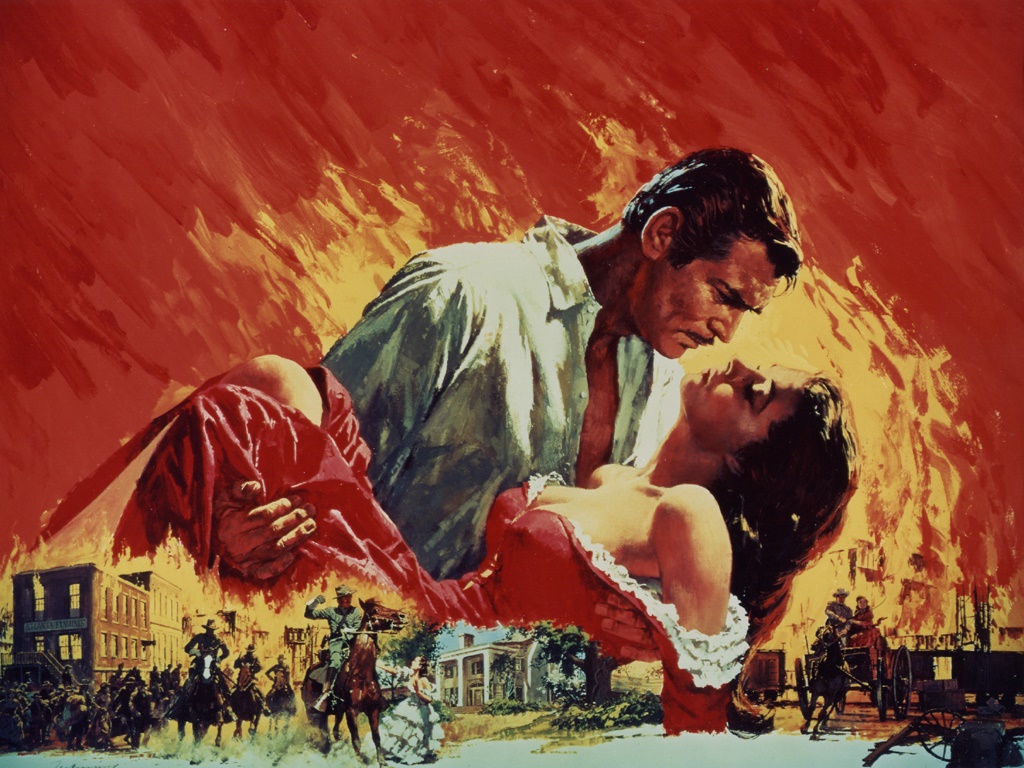
Romeo and Juliet, Scarlett O’Hara and Rhett Butler, Cathy and Heathcliff. The very best knee-trembling, tear-jerking, hear-pounded loves in fiction come complete with passion, bodice ripping and proclamations of undying love. The great lovers of literature are destined to be together, bound by some instant and unrelenting force set to send the reader taking a sidelong glance at the less than romantic back-of-a-crowded-bar introduction with their own boyfriend with a little less gusto than before.

However, the real crux to these all-consuming roller-coaster rides of relationships is that they never really hold up. The dizzying highs are always countered by devastating lows, and the couples’ love lives are more tumultuous than Taylor Swift’s dating catalogue. With the majority of these affairs ending up in abandonment, misery, and- more often than not- death, Ben and Jerry’s and a nice rom-com with the boyfriend isn’t looking quite so staid now, is it?

It’s OK to have a few angsty teenage years...
Me, reliving my teenage Goth years...

 As any good lit geek or emo will tell you, the book business is not one for shirking around teenage angst. Giving generations of angry adolescents firing power for the hormone soaked years between 13 and 19, classic “The Catcher in the Rye” told us that it’s OK to mope around a bit in those tricky secondary school days. With “Perks of Being a Wallflower” taking a more modern slant, we all now know that finding yourself, sulking, and existential wonderings are an integral part of our teenage years, and should be treated as such.

...Or live the all-American teenage dream
...and pretending to be All-American.
Fancy-dress is a wonderful thing.

Spending my early teenage years engrossed by the go-get-‘em Babysitters Club, the summer camp adventures of Marcy Lewis, and the Princess Diaries’ dream of my Dad turning out to be the king of a small European country, the light literature of American teen fiction taught me that life was going to be a happy parade of s’mores, friendly communities, and the light tribulations of whether to let your boyfriend go to second-base (without having any idea what ‘second-base’ actually entailed.)

Although sadly inaccurate, it’s still nice to occasionally sink back into the delusional promises of the US teen scene, and pretend that my looming final hand-in is no more pressing than what I would wear if I had a Homecoming Dance.

 “Don’t have sex, because you will get pregnant and die”
Since sex sells, it’s always been a bit of a contention in literature. Whilst Chaucer indulged his bizarre tendency to turn sex into a never-ending opportunity to create apparently hilarious pranks, the Victorians warned us of the terrible consequences of enjoying a bit of rough and tumble. (Pretty much always resulting in death, if you’re interested.) And now with 50 Shades of Grey advocating a spanking paddle as the real key to all-over life fulfilment, and the ever-growing trend for giving classics saucy “mummy porn” make-overs, literature just can’t seem to make its mind up.

Something which books do never-endingly tell us, however, is that sex is a BIG DEAL, a veritable life-changer, and must be treated as such. Another valiant, and not entirely accurate, word from the world of books which has probably left many a teenager pretty terrified. Now where’s my copy of “Jane Eyre gets bare”?

Not everyone gets a happy ending
I’ll still never forget the sheer horror with which I laid down Birdsong the first time I read it aged 11. Deaths of wonderful characters, dizzying romances sunk into banality, and unexpected reconciliations, Faulk’s most famed novel is beautiful, yet uncompromising. And it certainly wasn’t the first I was to come across. The painful injustice in To Kill a Mockingbird, the bruising finality of Atonement, Dumbledore dying in Harry Potter...

Literature has an incredible power to reveal that the truth about life is that there really is no truth. It is characterised by stories without morals, questions without answers, and endings that are not happy. But it also teaches us about the beauty that lies behind it all, and that glinting possibility, that just perhaps, ours might be the happy ending that comes out of it.

Sunday, 13 January 2013

50 books to read before you die (part one)

Moving in to a new term in my final year as an English literature student is a strange thing. Having wallowed through Medieval tomes, dusty Dickensian novels and more modernist poetry than T.S.Eliot would have wished on anyone, it's come to a time to contemplate what I've learned.

The sad thing about studying literature is that in many respects it takes some of the joy out of reading. Liking nothing more than a night in good book and a few glasses of wine is a penchant which quickly evaporates once cramming in three novels and numerous articles a week becomes a dreary routine. So I've decided, in a bid to inspire me to love my subject and throw myself into my penultimate term with gusto, to try and remember just why I love literature.

So here it is, in five super-fun installments, my 50 best loved books. It's not exactly high brow, but these are the books that have made me laugh, cry and keep on reading, even when analysing just why Lizzie and Mr Darcy click makes me want to do anything but. Enjoy!

50. DEAD FAMOUS- BEN ELTON
A work of comedic brilliance, oozing with sarcasm and satire, whodunit 'Dead Famous' burst into early twenty-first century literature as reality TV was taking over our lives. Set in a Big-Brother style television set-up, Elton introduces a cast of crazy characters in his wry take on trash TV, throwing in a murder and a hilariously exaggerated portrayal of the sexualised, bizarre nature of reality television.

49. ONE DAY- DAVID NICHOLLS
It may be poolside reading, but 'One Day' perfectly hits the spot for light reading with a heart. A sweet romance that deals with the trials of founding yourself in adult life, the novel catches up with its two central characters on one day annually for 20 years. Fast forwarding through a slow-burning love affair, as well as the highs and lows of adulthood, you'll need tissues at the ready for this heart wrenching blockbuster.

48. FIVE CHILDREN AND IT- EDITH NESBIT
A classic 'be careful what you wish for, it might come true,' this early twentieth century children's novel is a funny and heart-warming tale. With all the elements of magic, adventure and family perfect for a children's book, this is a literary classic.

47. THE DA VINCI CODE- DAN BROWN
Another summer read, this story of conspiracy, deceit and murder seized the public imagination. A dark tale delving into the secrets of Christianity, 'The Da Vinci Code' is intelligent and interesting as a speculative work of non-fiction, whilst also being a gripping piece of fiction.

46. DISGRACE- J.M.COETZEE
One of the few books from my course to make this list, 'Disgrace' is a multi-prize winning tale of class, race and gender in post-apartheid South Africa. Following the rape of his daughter, womanising, disgraced former professor David Lurie is forced to confront his own values. A dark and unsettling novel, 'Disgrace' is unrelenting in its confrontation of the boundaries of violence and self in a disjointed society

45. DAY OF THE TRIFFIDS- JOHN WYNDHAM
A classic of 1950's post-apocalyptic fiction, all notions of bad black and white film versions must be put aside before reading this brilliant book. Fantastical and scary, 'Day of the Triffids' contains all the elements of a modern zombie novel way before its time-- man wakes up in hospital having avoided a catastrophe (in this case a meteor shower rendering everyone blind) to find the world completely changed. Belief must be suspended to engage with this tale of killer plants, but its a classic modern horror, perfectly engaging with the theoretical collapse of civilisation.

44. MURDER ON THE ORIENT EXPRESS- AGATHA CHRISTIE
Although more or less any Agatha Christie is worth a read, this classic detective novel has all the familiarity of an early twentieth century tale of murder, with perhaps Christie's most dramatic twist.

43. THE QUEEN AND I- SUE TOWNSEND
The hilarious queen of satire Sue Townsend wonderfully if a little harshly portrays 1990's benefits Britain in her take on what would happen if the Republican Party came to power. A genuinely funny novel, Townsend's imagination is boundless in her fantastic and exaggerated characterisation, in a story which speculates on how the royal family would cope if moved to a council estate.

42. THE INTIMATE ADVENTURES OF A LONDON CALL GIRL- BELLE DE JOUR
A perfect portrayal of the changing face of the novel, Dr Brooke Magnanti's collection of blogs documenting her time as a London escort is honest, funny, shocking, and contains more awkward sex moments than the problem pages of Cosmo.

41. CARRIE'S WAR- NINA BAWDEN
Another not-to-be-missed children's novel, 'Carrie's War' documents the fictional experiences of evacuees in the second world war. A perfect portrayal of a child's take on the disruption of family life, and the age-old secrets of country life, construed as mystery and horror through innocent eyes, 'Carrie's War' focuses on an unseen side of the wartime experience.